Micrio Blog | 2026-06-01
Micrio Turns 10: Books Finally Done Right
Micrio Blog | 2026-06-01
Micrio Turns 10: Books Finally Done Right
Celebrating a decade of pixel-pushing, with a new focus on digital publishing.
This year marks 10 years since Micrio began as the zooming-and-storytelling engine behind the interactive documentary Garden of Earthly Delights. What started as a one-off, never-before-seen way to guide visitors through the bizarre, intricate details of Bosch's masterpiece has since grown into a platform used worldwide. And we're celebrating this by making books a first-class citizen.
From a Single Painting to an Open-Source Viewer
The tech behind that Bosch project proved too good to keep to one production. Rebranded as Micrio, it was reused and refined to create more immersive storytelling experiences on the web. Cultural organisations were early adopters: museums could suddenly craft deep-diving narratives around their collections in ways that weren't easily doable before.
Over the years we have added a lot of new formats: 360-degree virtual tours for the Vermeer exhibition, multi-image in-grid storytelling for Closer to Johannes Vermeer (winner of multiple Webbys, Lovie Awards, and European Design Awards), spinnable high-resolution fashion collections in 3D, and even book presentations.
Alongside large productions, Micrio's well-documented APIs were picked up by independent developers building their own projects. As our infrastructure matured, the platform evolved from a storytelling tool into a full collection-hosting platform capable of hosting millions of objects and delivering them globally at ridiculous speeds, all abiding by open standards such as the IIIF Image API.
Last year we open-sourced the Micrio client viewer (v5.0), making the core viewer free for everyone, allowing anyone to pick up and embed it in their own projects.
Just three weeks ago we shipped v6.0, which went a step further: we removed WebAssembly entirely from the client viewer. The rendering engine that used to require AssemblyScript + WebAssembly has been ported to pure TypeScript. The result? 3kB smaller gzipped, 10% less CPU usage, 2,218 fewer lines of code, and no more headaches around CSP wasm-unsafe-eval policies. Sometimes the best optimisation is removing complexity.
The Book Problem
Now, about those books.
There are plenty of tools for putting books online. PDF viewers. Flash-era page turners. The Internet Archive's bookreader. They all work, in the sense that a bicycle works for crossing the Atlantic: technically possible, but you wouldn't call it pleasant. Most digital book experiences look and feel like they were built in 2005. Because many of them were.
The IIIF Presentation API already gives us an excellent standard for structuring book metadata and page-level information. Combined with the IIIF Image API pipeline for actually delivering the pixels, it's the best foundation out there for making books discoverable and usable as open data.
The trick is making that combination work well. Viewing a 600-page book in real-time without downloading half a gigabyte, without waiting for each page to render, without that "loading..." stutter is where things get interesting. Micrio's heavily optimised IIIF Image server (we wrote about the deep tech here) delivers page after page in milliseconds. Which makes browsing fun again. You flip. You zoom. You don't wait.
With this year's Micrio version 6, we've made that capability available to everyone.
What's New in 2026
Books Are Now a Core Feature
Uploading and publishing books in the Micrio dashboard used to require a specific paid subscription. That's gone. As of today, books are included in Micrio's basic functionalities. Anyone with a Micrio account can use the feature.
IIIF Presentation API 3.0 Manifest Authoring
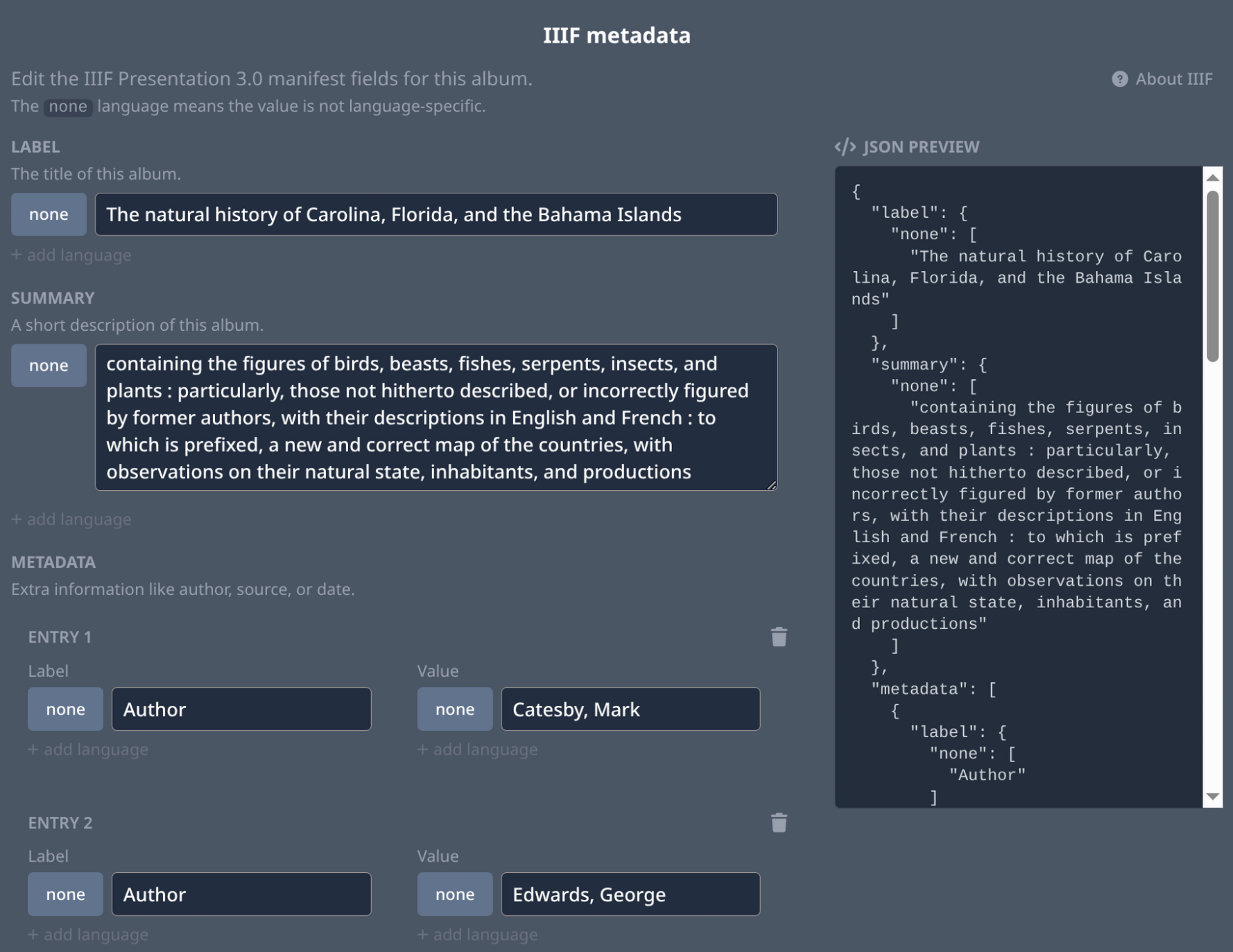
The Micrio dashboard now has full compatibility with the IIIF Presentation API 3.0. Every book published generates a valid manifest.json, containing all information about the book itself and each individual page. You can also add custom metadata in any language: author, publication details, shelf marks, whatever your collection needs.
Making It Easy to Upload Your Existing Books
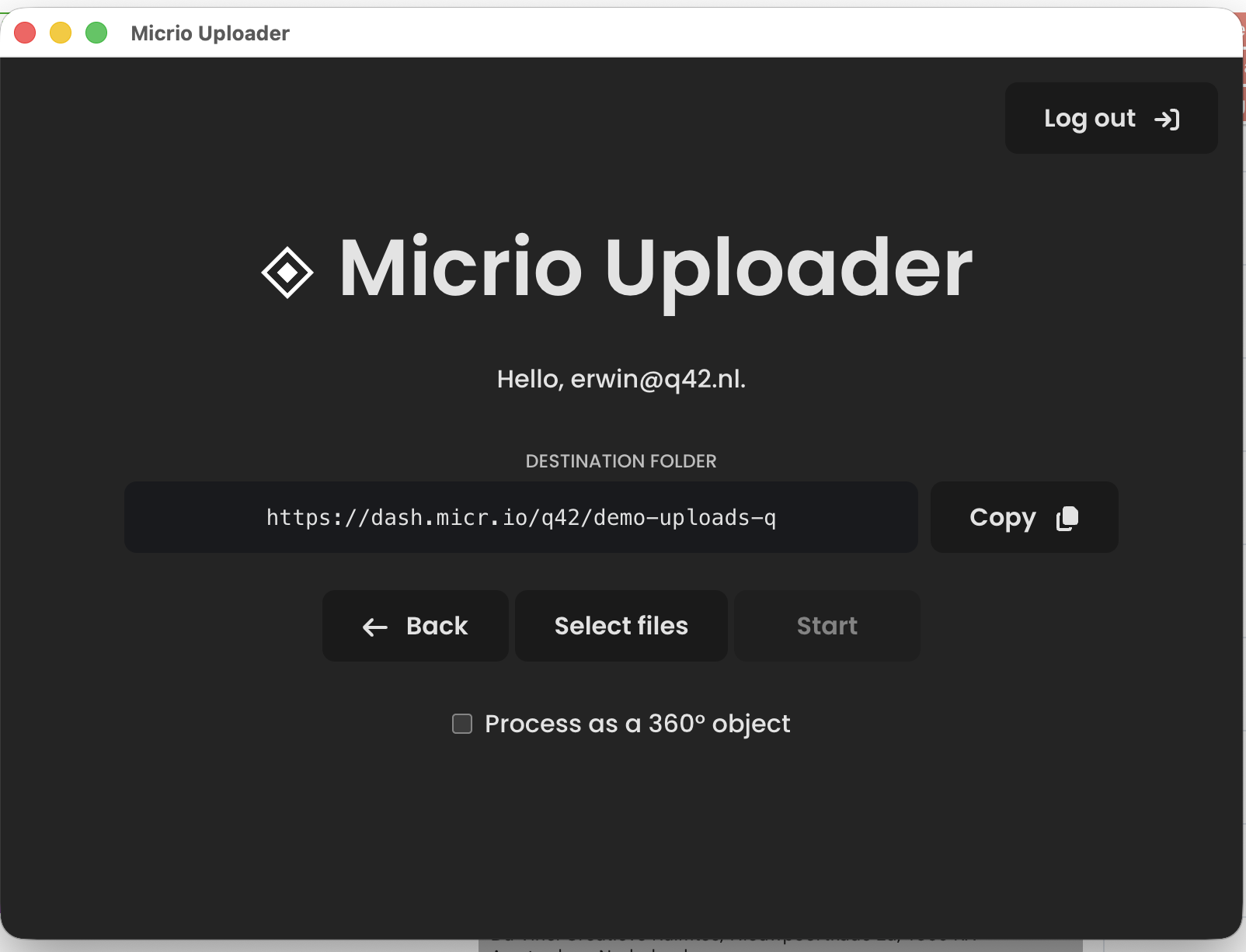
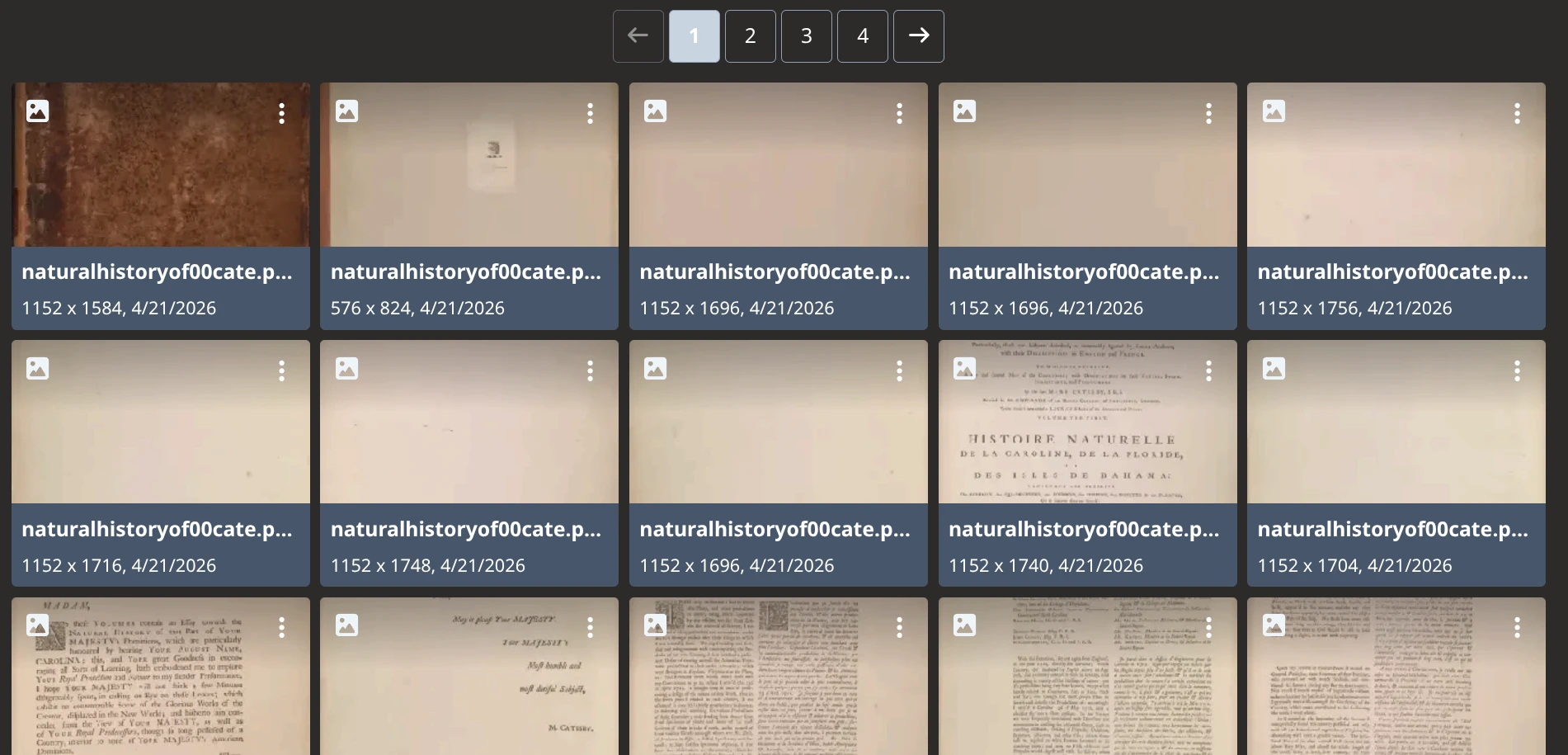
We updated our upload tooling to handle extremely large images and multi-page PDFs directly from your computer. Multi-gigabyte books, a few clicks, done. The upload tool itself is open source, and available at https://github.com/Q42/Micrio.Tiler/releases/tag/v0.3.0.
3D Bookviewer
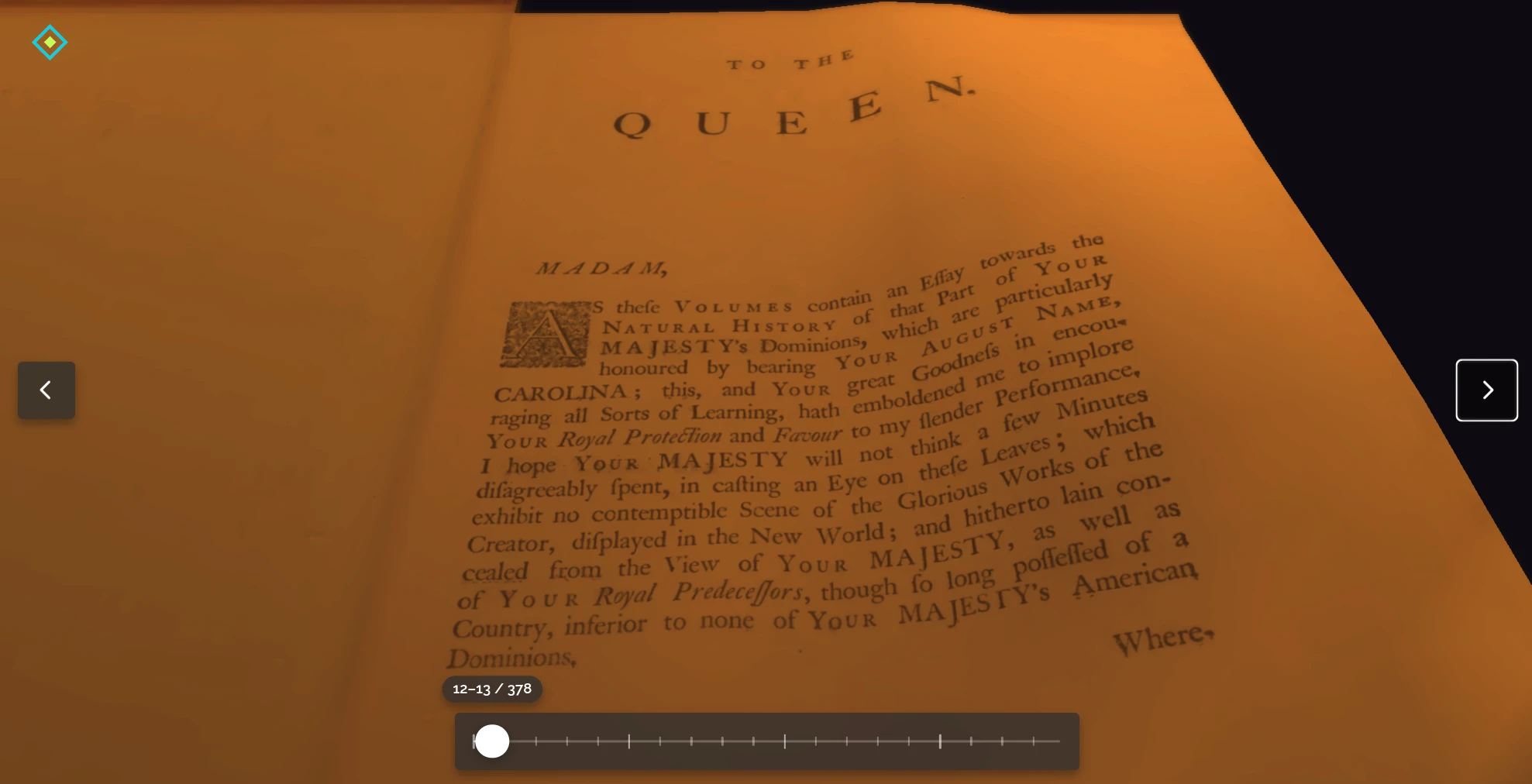
And because we wanted to have a little fun with it: a 3D book viewer where the paper actually comes alive. Grab pages, flip them, flip a stack of them. Switch the lighting mode and read by candlelight. Zoom in to inspect every detail of every page. It's a technical showcase that we hope makes you smile.
Ten Years, Next Chapter
A decade of steady development: from a single painting, to projects viewed by millions, to an open-source viewer anyone can use or modify. None of this would have happened without the people who pushed Micrio with real-world challenges: museum curators, developers, publishers, educators. And the colleagues at Q42, Fabrique, and Eidra who helped shape it into a better product every step of the way.
And speaking of next steps: the IIIF Annual Conference & Showcase 2026 starts next week (June 1 to 4) right here in the Netherlands, spanning Amsterdam, Leiden, and The Hague. Micrio and Q42 are proud to be a Silver Sponsor. If you're attending, come say hi. If you're not, keep an eye on the #IIIF hashtag. It's going to be a good week for open culture and high-resolution imagery.
Here's to the next 10 years.
Marcel Duin, Micrio Founder